2026-10-17 Global
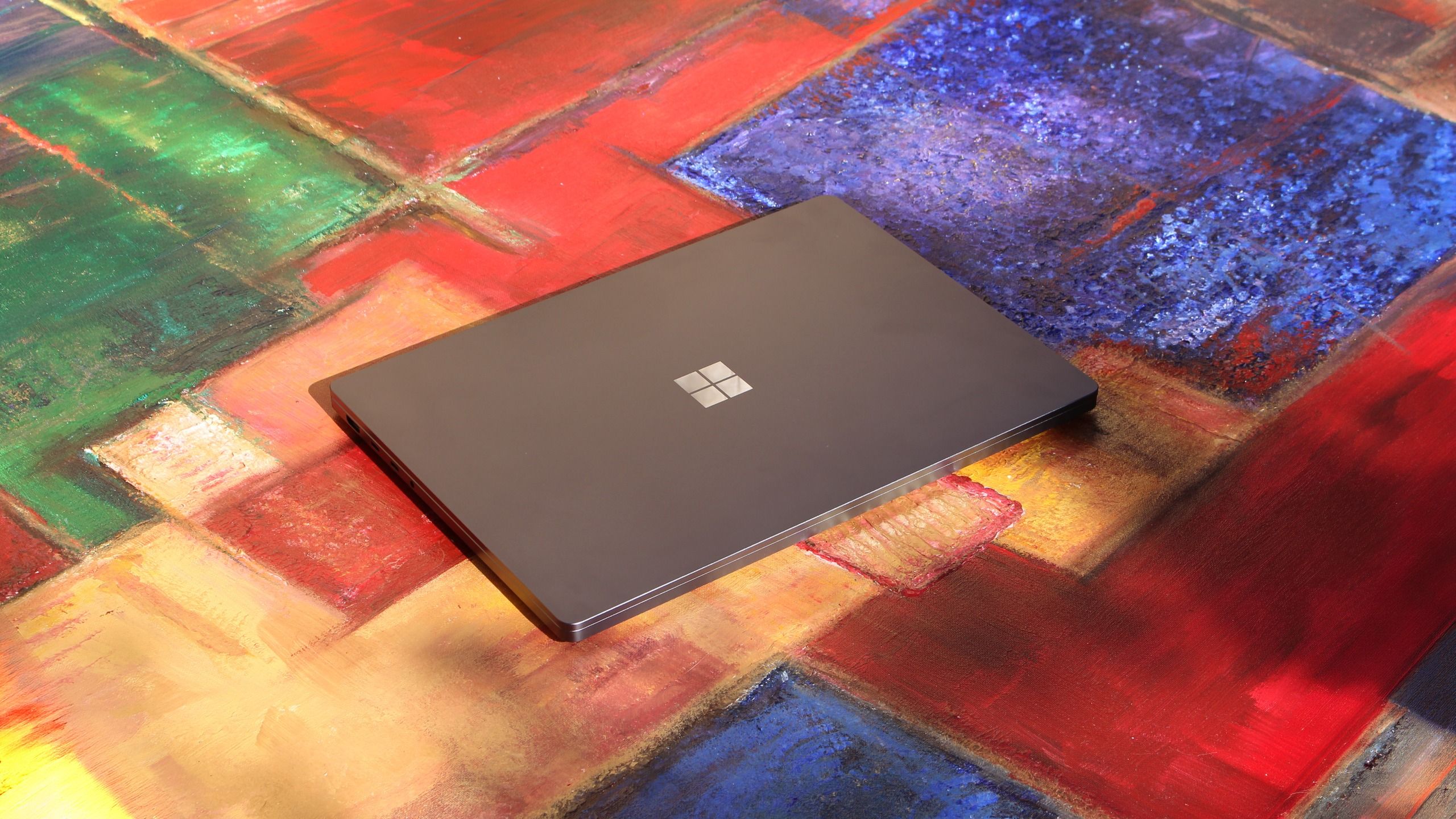
 The first batch of RTX Spark laptops has received positive reviews, particularly for AI performance and creative work, with the Surface Laptop Ultra and ASUS ProArt P16 standing out. However, reviews also indicate that these devices target developers and creators more than general users, while the local AI experience and battery life remain open questions.
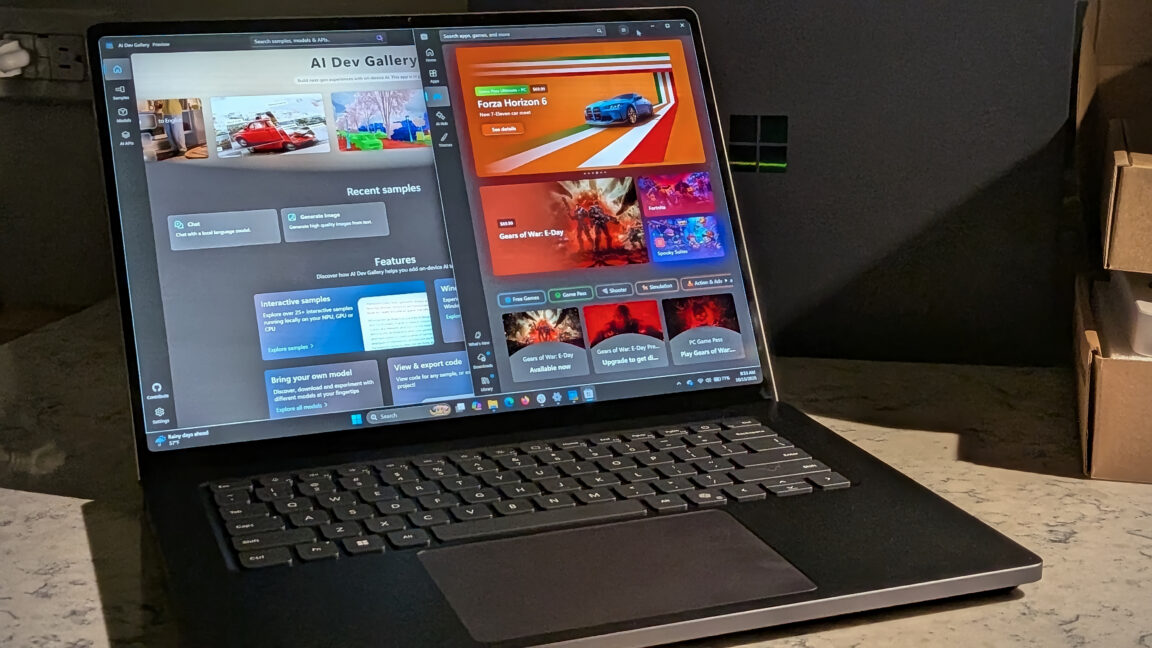
Microsoft and NVIDIA introduce the Surface Laptop Ultra with an RTX Spark N1X processor, up to 64 GB of unified memory, and notable capabilities for running AAA games and large local AI models. However, application compatibility, Copilot+ support, and AI tools remain incomplete, making the device more promising than ready for everyone.
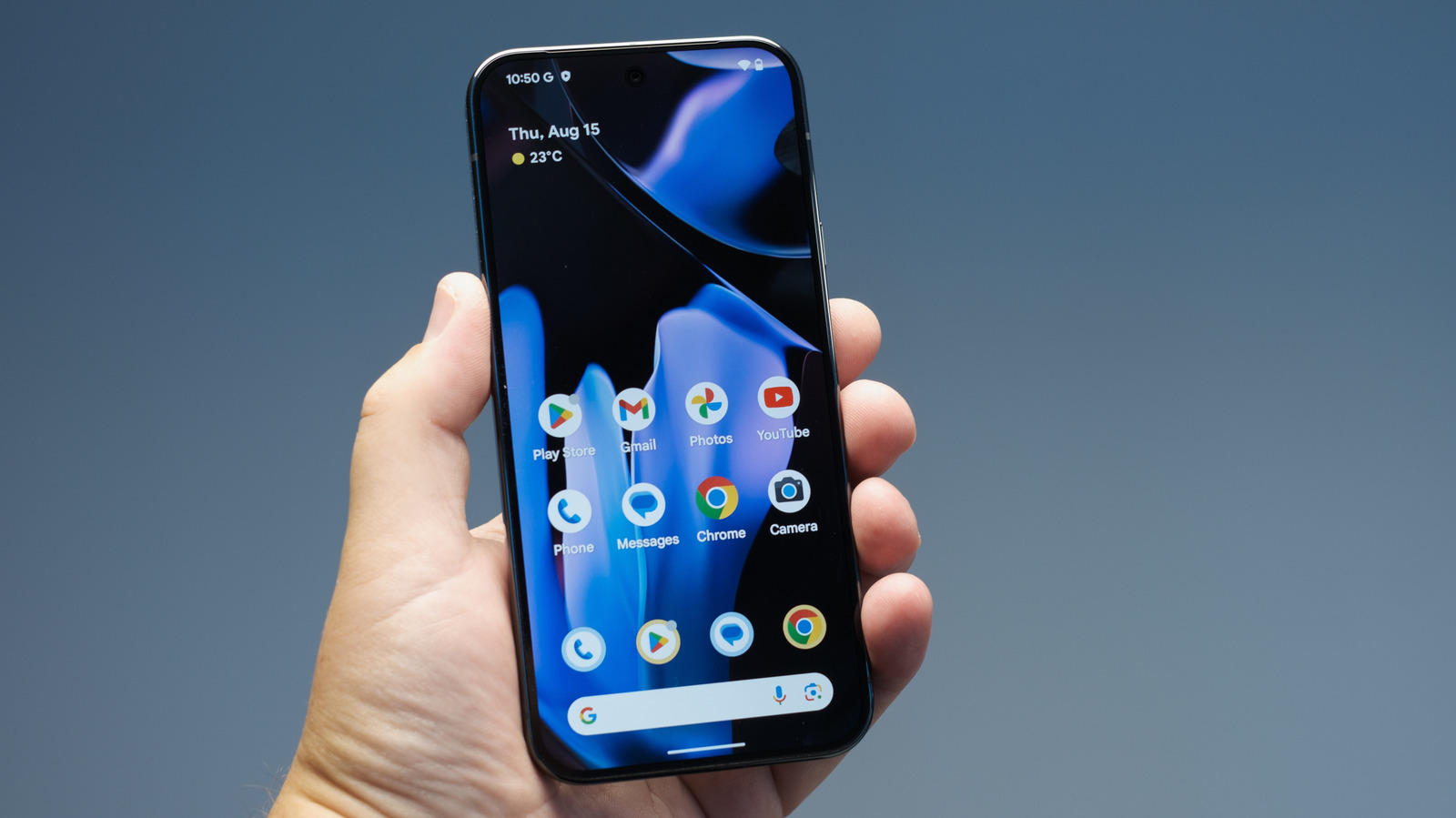
2026-10-12 Global The article identifies a set of essential specifications that buyers of low-cost Android phones should not compromise on, including screen size and brightness, RAM, and storage capacity. It explains that cutting costs is acceptable in the design and some cameras, but can harm the user experience if it affects the processor, battery, or memory.